
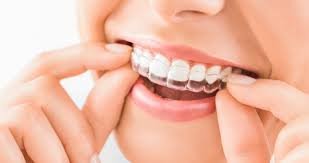
Maintaining a perfect smile doesn’t end when your braces come off. Enter the retainer retainer, an essential device designed to keep your teeth in place and preserve all the time, effort, and investment you put into orthodontic treatment. Whether you’re new to dental retainers or curious about how they work, this guide will cover everything—from types and care to costs and long-term benefits.
What Is Retainer Retainer?
A retainer retainer is a dental appliance used after braces or other orthodontic treatment to maintain teeth alignment. Many people wonder, “what is retainer retainer?” or “retainer retainer meaning.” Essentially, it’s a tool that prevents your teeth from shifting back to their original positions.
Why You Need a Retainer
Even after orthodontic treatment, teeth naturally try to move back. Wearing a dental retainer ensures that your investment in braces isn’t undone. The purpose of a retainer after braces is simple: maintain alignment, prevent crowding, and preserve your smile for years to come.
How a Retainer Works
Retainers work by gently holding teeth in place, allowing the bone and gums to stabilize around the new positions. Depending on the type, they can be fixed or removable, and some are nearly invisible, like the clear retainer retainer.
Types of Retainers
Understanding the different types of retainers is key to choosing the right one for your needs. The most common types include:
Removable Retainers
- Clear Retainers: Often made of transparent plastic, these are barely noticeable and ideal for adults or teens who want a discreet option.
- Hawley Retainers: Made of plastic and metal wires, these retainers are durable and adjustable.
Pros: Easy to clean, can be removed for eating and brushing.
Cons: Must be worn consistently to be effective; can be lost or damaged.
Fixed Retainers
- Lingual Retainers: Thin wires bonded to the back of teeth to hold them in place.
- Fixed Wire Retainers: Often used on the lower front teeth to prevent shifting.
Pros: Always in place, no need to remember to wear it.
Cons: Harder to clean, may trap food and plaque if not maintained properly.
Choosing the Right Retainer
Selecting between a removable and fixed retainer depends on your lifestyle, orthodontist advice, and dental needs. For instance, a retainer after Invisalign might be a clear aligner-style retainer, while younger patients may benefit from the durability of a fixed wire retainer.
How Long to Wear a Retainer
One of the most common questions is “how long to wear a retainer?” The answer varies, but most orthodontists recommend:
- Full-time wear for the first few months after braces removal
- Night-only wear thereafter to maintain alignment
- Long-term occasional wear for some adults, especially if teeth have a history of shifting
A retainer retainer’s effectiveness depends on consistent use. Skipping days can cause teeth to drift, which may require new orthodontic treatment.
Retainer Retainer Care & Maintenance
Proper care is essential to prolong the life of your retainer and maintain oral hygiene. Here’s what you need to know:
Daily Cleaning
- Brush gently with a soft-bristled toothbrush and lukewarm water. Avoid hot water, which can warp plastic retainers.
- Use retainer-safe cleaning solutions instead of toothpaste, which can scratch the surface.
Storage Tips
- Always keep removable retainers in a case when not in use.
- Avoid placing them in napkins or pockets where they can be forgotten or damaged.
Common Mistakes
- Wearing a retainer inconsistently
- Biting or chewing on retainers
- Not cleaning properly, leading to plaque buildup
Safe Removal
- Remove gently from back teeth first to avoid bending wires.
- Never use force or twist a fixed wire retainer.
Retainer Retainer Cost and Replacement
If you’re wondering about price, retainer retainer cost varies based on type, material, and region. In the UK, a standard removable retainer can range from £100 to £300, while clear retainers or custom-fit options may cost more.
Replacement Guidelines
- Replace lost or damaged retainers immediately
- Check for cracks or warping regularly
- Discuss with your orthodontist about the retainer retainer replacement guide
Retainer Retainer for Different Audiences
Kids and Teens
Young patients may require consistent supervision to ensure they wear their retainers after braces. Tips:
- Create a schedule
- Use a case that’s easy to carry
- Encourage responsibility and routine
Adults
Adult patients may prefer clear retainers for aesthetic reasons. Retainer tips for adults include:
- Wearing consistently at night
- Cleaning with non-abrasive solutions
- Monitoring for changes in teeth alignment
Post-Invisalign Retainers
After Invisalign treatment, clear retainers maintain alignment. These are similar to the aligners used in treatment but are made to last longer.
Common Retainer Retainer Problems and How to Solve Them
Even with the best care, retainer retainer problems can occur. Understanding these issues and knowing how to address them can save you discomfort and costly replacements.
Initial Discomfort and Soreness
Many people experience mild soreness or pressure when they first start wearing a retainer. This is normal as your teeth adjust to the appliance. A removable retainer or a clear retainer retainer may feel tight at first, but consistent wear usually resolves discomfort within a few days.
Tips to alleviate soreness:
- Wear the retainer for shorter periods initially and gradually increase
- Use orthodontist-approved pain relief if needed
- Avoid biting down forcefully on the retainer
Retainer Damage or Breakage
A retainer retainer can break if dropped, chewed on, or improperly stored. Fixed wire retainers may bend if subjected to unusual pressure.
How to prevent damage:
- Always store removable retainers in a protective case
- Avoid chewing gum or eating sticky foods while wearing your retainer
- Handle fixed wire retainers gently during brushing
Shifting Teeth Despite Wearing a Retainer
Occasionally, teeth may shift even with consistent retainer use. This can happen due to natural aging, incomplete initial orthodontic treatment, or inconsistent wear.
Solutions:
- Visit your orthodontist to assess fit
- Consider a replacement retainer if the old one is worn or ill-fitting
- Follow your orthodontist’s schedule for night-time or full-time wear
Hygiene Concerns
Poor cleaning can lead to retainer retainer hygiene issues, such as odor, plaque buildup, or bacterial growth.
Maintenance tips:
- Brush gently after every meal
- Soak in orthodontic cleaning solutions as recommended
- Rinse thoroughly before wearing
Retainer Retainer vs Other Orthodontic Options
People often wonder how a retainer retainer compares to other orthodontic solutions like braces or Invisalign. Here’s a breakdown:
Retainer vs Braces
- Purpose: Braces actively move teeth, while retainers maintain alignment.
- Comfort: Retainers are generally more comfortable and less intrusive.
- Cost: Retainers are usually less expensive than braces.
Retainer vs Invisalign
- Use: Invisalign is a series of removable aligners used to straighten teeth, while a retainer after Invisalign maintains results.
- Visibility: Both options can be clear, but Invisalign is worn full-time for active correction, while retainers are often worn part-time after treatment.
- Maintenance: Retainers require cleaning and careful storage, similar to Invisalign.
Fixed vs Removable Retainers
- Fixed wire retainers are ideal for long-term stability and are “set it and forget it.”
- Removable retainers allow flexibility but require discipline and consistency.
Retainer Retainer Effectiveness and Lifespan
The effectiveness of a retainer retainer depends on consistent wear and proper care. Here’s what to know:
How Effective Are Retainers?
- Properly fitted retainers prevent teeth from shifting, preserving years of orthodontic treatment
- Consistent night-time wear is key to long-term effectiveness
Lifespan of Different Retainers
- Clear retainers: Typically last 1–2 years before becoming brittle or warped
- Hawley retainers: Can last several years with proper care
- Fixed wire retainers: May last many years, but occasional adjustments or replacement might be needed
Signs You Need a Replacement
- Visible cracks or warping
- Loose fit or shifting teeth
- Discomfort while wearing
Long-Tail Practical Tips for Retainer Retainer Users
Using a retainer retainer correctly ensures long-term results. Here are actionable tips:
Getting Used to a Retainer
- Start by wearing it a few hours a day and gradually increase to overnight wear
- Practice speaking with it in, as it may temporarily affect pronunciation
Preventing Breakage
- Store in a sturdy case whenever not in use
- Avoid chewing hard or sticky foods while wearing a removable retainer
- Check daily for cracks, bends, or warping
Lost or Misplaced Retainers
- Contact your orthodontist immediately for a replacement
- Do not try to DIY or force a damaged retainer back into place
Retainer Tips for Adults and Teens
- Adults: Night-time wear is usually sufficient; clean regularly to prevent discoloration
- Teens: Encourage routine by pairing retainer wear with bedtime habits or reminders
Retainer for Straight Teeth Maintenance
Even after years of braces, wearing a retainer helps maintain perfect alignment. Skipping retainer wear can result in subtle teeth shifting, which may be costly to correct later.
Retainer Retainer for Kids, Teens, and Special Cases
Different age groups require slightly different approaches:
- Kids: Focus on creating habits and ensuring consistency; removable retainers may need supervision
- Teens: Clear retainers work well aesthetically; emphasize responsibility for wearing and cleaning
- Adults: Often prefer clear retainers for appearance; may require adjustments for comfort
- Post-Invisalign Retainers: These maintain the alignment achieved by clear aligners and are typically worn at night
