
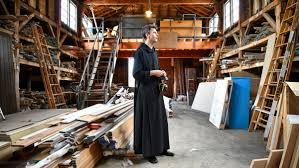
Abbey Woodworking isn’t just a name people search out of curiosity. It represents a deeper interest in how wood is shaped, respected, and transformed through skilled hands. When people look up Abbey Woodworking products, custom furniture, or even Abbey Woodworking workshop, they’re usually searching for something more meaningful than flat-pack furniture or rushed manufacturing. They’re looking for craft, heritage, and authenticity.
Woodworking connected to abbeys and long-standing workshops has always carried a certain weight. It blends patience with precision, tradition with quiet innovation. From monastic woodshops to modern studios inspired by those values, Abbey Woodworking stands at the intersection of art, function, and time-tested skill. This is why searches around Abbey Woodworking designs, portfolio, reviews, and prices continue to grow, people want work that lasts and tells a story.
The Roots of Abbey Woodworking and Its Craft Tradition
Woodworking has been part of abbey life and community craftsmanship for centuries. In many abbey settings, woodshops were not commercial factories but working spaces where furniture, fittings, and everyday objects were made with intention and care. This legacy still shapes how Abbey Woodworking is perceived today.
Historical abbey woodshops focused on durability, balance, and honest materials. The goal was never speed. Instead, craftsmanship mattered more than volume. This philosophy still influences modern Abbey Woodworking studios, where projects move from concept to completion at a human pace.
People searching for Abbey Woodworking studio or Abbey Woodworking shop are often drawn to this slower, more deliberate approach. It reflects values that are increasingly rare, attention to detail, respect for materials, and pride in workmanship.
Abbey Woodworking Products and Custom Furniture
One of the most common search intents around Abbey Woodworking relates to what is actually made in the shop. Abbey Woodworking products typically include a wide range of handcrafted furniture and wood pieces designed for both function and beauty.
These may include:
- Custom tables built from hardwood lumber
- Handcrafted cabinetry and cabinetmaking projects
- Shelving and storage pieces designed for real living spaces
- Wood art and decor that emphasizes grain, form, and texture
- Bespoke commissions tailored to specific spaces or needs
Abbey Woodworking custom furniture stands apart from mass-manufactured alternatives. Each piece reflects the maker’s decisions, how joints are cut, how edges are softened, how wood finishes and stains are applied. That’s why many people compare custom woodworking vs mass manufactured furniture when deciding where to invest.
Rather than uniformity, Abbey Woodworking celebrates variation. Grain patterns, natural knots, and subtle imperfections are treated as features, not flaws. This mindset aligns closely with fine woodworking and traditional woodworking principles.
Abbey Woodworking Designs, Portfolio, and Reviews
Before committing to custom work, people naturally search for proof of quality. That’s where Abbey Woodworking portfolio and Abbey Woodworking reviews come into play. A strong portfolio shows not just finished products but consistency in technique, proportion, and finish.
Designs often balance classic woodworking forms with modern needs. Clean lines, solid joinery, and thoughtful material choices define many Abbey-style projects. Whether it’s a dining table, a fitted cabinet, or a simple bench, the design process always begins with how the piece will be used.
Reviews usually reflect more than appearance. Clients talk about communication, timelines, and how the finished piece feels in daily life. This is why Abbey Woodworking contact and Abbey Woodworking prices are frequently searched together, people want transparency and trust before moving forward.
Inside the Abbey Woodworking Workshop
A woodworking workshop is more than a room full of tools. The Abbey Woodworking workshop is where ideas become physical objects through repetition, discipline, and skill. People searching for woodworking shop tour content are often fascinated by what happens behind the scenes.
A typical Abbey-inspired workshop includes:
- Dedicated benches for hand-tool work
- Storage for woodworking tools and supplies
- Areas for cutting, shaping, and assembly
- Finishing spaces for applying stains and protective coatings
The layout matters. A functional woodworking shop layout improves accuracy and safety while allowing craftsmen to work efficiently without rushing.
Many modern workshops also welcome learners. Searches for woodworking workshops & classes reflect a growing interest in hands-on learning rather than passive consumption.
Woodworking Tools and Materials That Shape the Craft
Tools play a defining role in Abbey Woodworking, but they are never the focus on their own. They exist to serve the material. Woodworking tools range from simple hand tools to more advanced power tools for woodworking, each chosen based on the task at hand.
Common tools found in Abbey-style woodworking include:
- Chisels for precise joinery and detail work
- Routers for shaping edges and profiles
- Hand planes for flattening and smoothing surfaces
- Saws for accurate cuts in hardwood and softwood lumber
Material selection is just as important. The choice between hardwood & softwood lumber affects durability, appearance, and cost. Oak, maple, and ash are often favored for furniture, while softer woods may be used for decorative or lighter projects.
Finishing is the final step that brings everything together. Wood finishes & stains protect the wood while enhancing its natural grain. Done well, finishing highlights craftsmanship rather than hiding it.
Woodworking Techniques Used in Abbey Craftsmanship
Technique is where Abbey Woodworking truly becomes art. Instead of relying solely on fasteners or shortcuts, traditional methods emphasize strong, elegant connections between pieces of wood.
Some of the most important woodworking techniques include:
- Joinery that locks pieces together without visible hardware
- Dovetail joints used in drawers and fine furniture
- Mortise and tenon joints for strength and longevity
- Veneer & marquetry for decorative surfaces
Woodworking joints are not only functional; they’re visual signatures of quality. When people search for Abbey woodworking techniques or woodworking craftsmanship, this is what they’re hoping to understand.
Another technique gaining renewed attention is green woodworking. This method uses freshly cut, undried wood, making it easier to carve and shape with hand tools. Green woodworking is often taught in workshops and classes because it connects learners directly to the material in its most natural state.
Green Woodworking and Hands-On Learning
Interest in green woodworking has grown significantly, especially among beginners and hobbyists. Using hand-tool techniques with green or undried wood allows for a more tactile experience. It slows the process and helps learners understand how wood behaves.
Workshops focused on green woodworking often cover:
- Basic woodcarving skills
- Safe tool handling
- Understanding grain direction
- Shaping functional objects like stools or spoons
These sessions align closely with searches for Abbey woodworking for beginners and woodworking classes. They emphasize learning by doing, which reflects the same philosophy behind traditional abbey workshops.
Woodworking Ideas, Plans, and DIY Projects
Many people searching for Abbey Woodworking are not only buyers—they’re makers. Queries like Abbey woodworking ideas, DIY woodworking, and woodworking plans show strong intent to create.
Popular woodworking projects for home include:
- Simple shelves and tables
- Wooden storage solutions
- Beginner woodworking projects that build confidence
- DIY wood decor pieces
Plans provide structure, but creativity comes from adapting them. This balance between guidance and freedom is what draws people into woodworking communities and keeps them engaged.
Woodworking as a Business and Community Craft
Beyond personal projects, Abbey Woodworking also connects to professional paths. Searches for woodworking business near me or woodworking custom commissions reflect a desire for skilled, local artisans.
A woodworking business rooted in craftsmanship values:
- Long-term client relationships
- Honest pricing based on time and materials
- Clear communication throughout projects
Community plays a major role here. Woodworking artisans often share knowledge through workshops, shop tours, and online platforms like woodworking blogs and woodworking videos. These spaces keep traditional skills alive while adapting them for modern needs.
Woodworking Artisans and the Abbey Influence
Woodworking artisans connected to Abbey Woodworking are often described as makers first and sellers second. Their focus remains on quality, proportion, and integrity rather than trends. This mindset comes from environments where woodshops were part of daily life, not commercial pressure.
People searching for woodworking artisans or woodworking craftsmanship are usually looking for more than decorative items. They want to understand who made the piece, how it was built, and why certain choices were made. Abbey Woodworking reflects this curiosity by keeping the craft visible, exposed joinery, honest materials, and clear design intent.
Artisans working in this tradition often develop a deep relationship with their tools and materials. Over time, they learn how different woods respond to cutting, shaping, and finishing. This knowledge doesn’t come from manuals alone; it comes from repetition, mistakes, and years spent at the bench.
Woodworking Projects for Home and Everyday Use
A large portion of interest around Abbey Woodworking ties directly to practical, everyday projects. Searches for woodworking projects for home and DIY woodworking show that people want functional pieces they can live with, not just admire.
Common home-focused woodworking projects include:
- Shelving units that fit specific spaces
- Tables designed for daily use rather than display
- Storage solutions built around real needs
- Simple cabinetry that blends form and function
These projects often begin with basic woodworking plans and evolve as the maker gains confidence. Beginners may start with straight cuts and simple joints, then gradually move toward more advanced techniques like dovetail joints or veneered surfaces.
This progression is why woodworking for beginners remains a high-intent search term. Abbey-inspired woodworking encourages patience, learning one skill at a time instead of rushing toward complex builds.
Handcrafted Furniture vs Mass-Manufactured Pieces
One of the strongest long-tail searches connected to Abbey Woodworking is the comparison between custom woodworking vs mass manufactured furniture. The difference isn’t just price, it’s philosophy.
Mass-produced furniture prioritizes speed and consistency. Custom woodworking prioritizes fit, feel, and longevity. Handcrafted furniture is designed to serve a specific space and purpose, often lasting generations when cared for properly.
Key differences include:
- Solid wood construction instead of composites
- Joinery-based strength rather than screws alone
- Repairable designs that age gracefully
- Unique character shaped by grain and handwork
This is why people researching Abbey Woodworking prices often accept higher costs once they understand the value behind the work. They’re not just buying furniture; they’re investing in craftsmanship.
Sustainable Wood Projects and Responsible Making
Sustainability is another reason Abbey Woodworking continues to attract attention. Searches for sustainable wood projects show growing awareness around where materials come from and how they’re used.
Responsible woodworking focuses on:
- Using locally sourced hardwood and softwood lumber
- Minimizing waste through careful planning
- Repurposing offcuts for smaller projects
- Choosing finishes that protect both wood and environment
Green woodworking plays a role here as well. By working with freshly cut wood and hand tools, makers reduce reliance on energy-intensive processes while staying closely connected to natural materials.
This approach aligns well with abbey traditions, where stewardship of land and resources has always been central.
Woodworking Shop Tours and Learning Environments
Interest in woodworking shop tour content reflects curiosity about how woodworking spaces function day to day. A shop tour isn’t just about seeing tools, it’s about understanding workflow, safety, and organization.
Well-designed workshops balance efficiency and creativity. Tools are placed where they make sense, materials are stored thoughtfully, and space is left open for assembly and finishing. This setup supports both solo makers and group workshops.
Learning environments also matter. Searches for woodworking workshops & classes often come from people who want structured guidance rather than trial-and-error learning alone. Abbey-inspired workshops tend to emphasize fundamentals, tool control, grain awareness, and safe technique, before moving into advanced projects.
Woodworking Techniques That Shape Skill Over Time
As makers grow, they naturally explore more complex techniques. Woodworking techniques are not learned all at once; they’re layered through experience.
Advanced skills often include:
- Precision joinery for structural strength
- Woodturning for bowls, legs, and decorative forms
- Woodcarving for detail and texture
- Veneer & marquetry for visual depth
Each technique adds a new dimension to woodworking projects. Even small decorative elements like wooden signage or wooden toys benefit from careful technique and finishing.
This gradual skill development is why Abbey Woodworking appeals to both beginners and experienced craftsmen. It doesn’t rush the process—it respects it.
Woodworking Accessories and Supporting Elements
Beyond furniture and large projects, Abbey Woodworking also includes smaller details. Woodworking accessories often complete a space and showcase craftsmanship on a different scale.
These may include:
- Hand-carved handles or knobs
- Decorative trim and accents
- Small functional objects made from reclaimed wood
- Custom fittings designed to complement larger pieces
Accessories allow artisans to experiment with form and technique while using leftover materials efficiently. They’re also popular entry points for beginners exploring DIY wood decor.
Woodworking Content, Community, and Inspiration
Modern Abbey Woodworking exists both offline and online. Searches for woodworking blog and woodworking videos show how people now learn and share craft knowledge digitally.
Online content supports:
- Step-by-step tutorials
- Project inspiration
- Tool reviews and comparisons
- Skill demonstrations
At the same time, in-person community remains important. Woodworking community events, local classes, and show events create spaces where makers exchange ideas and techniques face to face.
This blend of tradition and accessibility keeps Abbey Woodworking relevant in a digital age.
Design Inspiration and Creative Direction
Design inspiration is where woodworking becomes personal. Searches for woodworking design inspiration and woodworking decorating ideas reflect the desire to create pieces that fit individual lifestyles.
Design decisions often consider:
- How a piece will be used daily
- The surrounding space and light
- Natural grain patterns and color
- Balance between simplicity and detail
Abbey Woodworking designs tend to avoid excess. They rely on proportion, texture, and craftsmanship rather than decoration alone. This restraint allows the wood itself to remain the focus.
Woodworking Plans as a Foundation, Not a Limit
While woodworking plans provide structure, Abbey-style woodworking treats them as starting points rather than rigid rules. Makers adapt plans based on material availability, space constraints, or personal taste.
Plans help beginners avoid frustration, especially when learning joinery or layout. Over time, reliance on plans decreases as intuition and experience grow. This transition marks a shift from following instructions to truly understanding the craft.
