
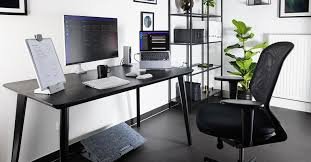
Remote work, hybrid offices, and longer screen time have quietly changed how people think about their desks. What used to be a simple table and chair has turned into a full workstation discussion, posture, comfort, flexibility, and long-term health all matter more now. That shift is exactly why the riser desk has become such a popular topic in modern workspaces.
Instead of replacing an entire desk, many people want a simpler upgrade. Something that lets them stand when they want, sit when they need to, and move more throughout the day without committing to a full standing desk. This is where desk risers, standing desk converters, and sit-stand workstations enter the picture.
You’ll often see them in home offices, coworking spaces, and even corporate setups where flexibility is key. But what exactly are they, and why are so many people choosing them?
What Is a Riser Desk?
A riser desk is a height-adjustable platform that sits on top of your existing desk and turns it into a sit-to-stand workstation. Instead of replacing your desk entirely, the riser lifts your monitor, keyboard, and mouse to a standing height when needed, then lowers back down for seated work.
You might also hear it called a desk riser, standing desk converter, sit-stand desk converter, or height adjustable desk converter. All of these names describe the same core idea: giving your current desk the ability to move up and down.
Unlike full adjustable height desks, a riser desk doesn’t change the desk legs or frame. It’s a separate unit designed to hold your work essentials while offering smooth height adjustments. This makes it especially popular for people who want flexibility without major changes to their workspace.
Riser desk vs standing desk: what’s the real difference?
This is one of the most common comparisons people search for, and the difference is simpler than it sounds.
A standing desk replaces your entire desk and adjusts from the floor up. A riser desk sits on top of a desk you already own. That’s it.
Because of this, standing desk converters are usually:
- More affordable
- Easier to install
- Easier to move or remove
- Better for shared or temporary workspaces
Standing desks, on the other hand, are often better for permanent setups and heavier multi-monitor configurations. The choice usually comes down to space, budget, and how committed someone is to a standing workstation long-term.
How a Riser Desk Works in Real Life
At a glance, a desk riser looks simple, but the way it moves is what makes it useful.
Most riser desks use one of three mechanisms:
- Manual lift systems
- Gas-spring height adjust systems
- Electric adjustable risers
Each option allows the platform to move vertically, lifting your workspace from sitting height to standing height in seconds.
A pop-up desk riser, for example, often uses a gas spring to rise smoothly with minimal effort. You press a lever, guide it upward, and it locks into place. To lower it, you release the lever and guide it back down.
Electric desk converters work similarly but use a motor instead of manual force. These are common in premium setups and allow push-button height changes.
From sitting to standing without disrupting your workflow
One reason riser desks are popular is how little they interrupt your day. You don’t need to unplug monitors or rearrange cables each time you change positions. Everything rises together, monitor, keyboard tray, and mouse, keeping your setup consistent.
This smooth transition is what encourages people to alternate between sitting and standing more often. When switching positions feels easy, it actually happens.
Types of Riser Desks You’ll Come Across
Not all riser desks are built the same, and understanding the differences helps avoid buying something that doesn’t fit your needs.
Manual, gas-spring, and electric riser desks
A manual lift riser desk is the simplest option. It usually requires two hands and a bit of effort to adjust, but it’s reliable and often more affordable.
Gas-spring desk risers are the most common choice for home offices. They use counterbalance technology, making height adjustments smooth and controlled without much effort.
Electric adjustable risers use motors and buttons for height control. They’re quieter, more precise, and ideal for heavier setups, but they also cost more.
Single-tier vs dual-tier desk risers
Single-tier risers lift everything together on one flat surface. They’re simple, compact, and work well for laptops or minimal setups.
Dual-tier risers separate the monitor platform from the keyboard tray riser. This allows better ergonomic typing height and more precise posture adjustments, especially for people using external keyboards and monitors.
Portable desk risers for flexible workspaces
Portable desk risers are lightweight and easy to move. They’re popular in hybrid work environments, shared desks, and smaller home offices where space matters.
If you don’t want a permanent setup, portability becomes a major advantage.
Why People Choose a Riser Desk Instead of a New Desk
One of the biggest reasons people search “is a riser desk worth it” is because they’re unsure whether it’s a temporary fix or a real solution.
For many, the appeal comes down to flexibility.
A riser desk lets you:
- Keep your current desk
- Test sit-stand work without a big investment
- Adapt your setup over time
- Work comfortably in smaller rooms
It’s also a practical option for renters, shared spaces, and offices where replacing furniture isn’t realistic.
Riser desk benefits people actually notice
The most noticeable benefits usually show up after a few weeks:
- Less stiffness from sitting too long
- Easier posture adjustments
- More movement during the workday
- Reduced neck and shoulder tension
These benefits don’t come from standing all day, but from switching positions regularly.
Ergonomics: Are Riser Desks Actually Good for Your Body?
A common concern is whether riser desks are ergonomic or just another trend.
When used correctly, an ergonomic desk riser can support better posture and movement throughout the day. The key is setup.
Your monitor should sit at eye level when standing. Your keyboard tray should allow your elbows to rest comfortably at about a 90-degree angle. Your workspace surface height matters just as much as the ability to stand.
Used improperly, a riser desk can cause strain. Used correctly, it supports a healthier ergonomic workspace setup.
Reducing back pain and neck strain at the desk
Many people look into riser desks while searching for ways to reduce back pain at a desk or improve posture while working.
Alternating between sitting and standing helps reduce prolonged pressure on the lower back and encourages subtle movement. It also reduces the tendency to hunch forward, which often causes neck strain at the computer.
Standing desk health impact studies consistently point to movement, not standing all day, as the real benefit.
Riser Desk vs Standing Desk: An Honest Comparison
When comparing a riser desk vs standing desk, neither option is objectively better. They simply suit different situations.
Riser desks work best for:
- Home offices
- Smaller spaces
- Shared desks
- Budget-friendly ergonomic upgrades
Standing desks are better for:
- Permanent workstations
- Heavy multi-monitor setups
- People who stand most of the day
Many people start with a riser desk and later upgrade once they know what works for them.
How to Choose the Right Riser Desk for Your Needs
Choosing the best riser desk for a home office depends on a few practical details.
Look at:
- Weight capacity (especially for dual monitors)
- Height range for both sitting and standing
- Stability at full extension
- Desk depth and available space
Affordable riser desk options can work just as well as premium models if they fit your setup properly.
What Is the Point of a Desk Riser?
The point of a desk riser isn’t to make you stand all day. It’s to give you choice.
A riser desk makes it easier to move, change posture, and break long sitting periods without reworking your entire workspace. That flexibility is what makes it valuable, not the standing itself.
Do You Need a Desk Riser?
Not everyone needs one, but many people benefit from it.
You’re more likely to need a desk riser if:
- You sit for long hours
- You experience stiffness or discomfort
- You work from home regularly
- You want a flexible sit-stand option
If you already use an adjustable height desk comfortably, a riser may be unnecessary.
How to Use a Desk Riser Correctly
Using a desk riser correctly matters more than the brand you choose.
Start by setting your monitor at eye level. Adjust the keyboard tray so your wrists stay neutral. Alternate between sitting and standing every 30–60 minutes rather than forcing long standing sessions.
The question “how tall should a riser desk be” depends on your height, but comfort and alignment are the real guides.
Do Riser Desks Help Productivity?
Many users report better focus when switching positions throughout the day. Standing for short tasks, calls, or creative work often feels more energizing, while sitting works better for deep concentration.
Riser desks don’t magically boost productivity, but they support work habits that reduce fatigue and discomfort.
Can a Riser Desk Fit Any Desk?
Most riser desks fit standard desks, but not all.
Desk depth, surface strength, and monitor size all matter. Compact and pop-up style desk risers work best on smaller desks, while larger setups need deeper surfaces for stability.
Are Riser Desks Better Than Full Standing Desks?
In some situations, yes.
For temporary setups, shared workspaces, and budget-friendly ergonomics, riser desks are often the better option. Full standing desks shine in permanent, customized offices.
Both serve the same goal, supporting movement and comfort, just in different ways.
How Riser Desks Fit into Modern Workspaces
Modern workspaces are no longer built around a single posture. Whether someone works from a home office, a shared coworking desk, or a hybrid corporate setup, flexibility has become more important than fixed furniture. This is where riser desks naturally fit.
Unlike full adjustable height desks, a riser desk adapts to existing environments. It works on traditional office desks, dining tables converted into workstations, and even compact desks in small rooms. This adaptability is why riser desks are commonly seen in modern, mixed-use workspaces.
In shared offices, a sit-to-stand desk converter allows different users to adjust the workspace quickly without needing custom desks for each person. In home offices, it offers ergonomic benefits without forcing a permanent furniture change.
Riser Desks and Ergonomic Home Office Setups
An ergonomic home office isn’t just about standing, it’s about alignment, comfort, and movement. A riser desk supports this by making it easier to fine-tune key ergonomic elements.
Monitor positioning and eye level
An adjustable monitor platform is one of the most important features of a riser desk. When standing, the top of the screen should sit roughly at eye level. When sitting, the riser should lower enough to maintain that same alignment.
This consistency helps reduce neck strain at the computer, especially for people who spend long hours reading or writing.
Keyboard and mouse placement
A keyboard tray riser helps maintain proper ergonomic typing height. Without it, people often raise their monitors but leave their keyboard too high, forcing shoulders and wrists into awkward positions.
A good desk riser keeps hands, elbows, and shoulders relaxed whether sitting or standing.
Alternating Between Sitting and Standing the Right Way
One of the most misunderstood aspects of riser desks is how they’re meant to be used. Standing all day isn’t the goal, and it’s not what ergonomics experts recommend.
The real benefit comes from alternating between sitting and standing throughout the day.
Most people find a rhythm that works best:
- Sitting for focused tasks
- Standing for meetings, calls, or light work
- Switching positions every 30–60 minutes
This approach supports circulation, reduces stiffness, and helps manage fatigue without putting unnecessary strain on the body.
Standing Desk Health Impact: What Actually Matters
People often search for standing desk health impact expecting a simple answer, but the reality is more nuanced.
Standing desks and riser desks don’t automatically improve health. What they do is encourage movement. That movement, small shifts, posture changes, and reduced sitting time, is what supports better comfort over long workdays.
When used thoughtfully, a riser desk helps people:
- Sit less without standing excessively
- Stay aware of posture
- Reduce long periods of static positioning
It’s not about standing more. It’s about moving better.
Desk Riser vs Monitor Riser: Clearing the Confusion
Another common point of confusion is the difference between a desk riser and a monitor riser for standing.
A monitor riser only lifts the screen. It doesn’t raise the keyboard, mouse, or working surface. That means it can’t create a true sit-to-stand workstation.
A desk riser lifts the entire working area, keeping everything aligned during height changes. This distinction matters when comfort and ergonomics are the goal.
Affordable Riser Desk Options vs Premium Models
Not all riser desks are expensive, and higher price doesn’t always mean better fit.
Affordable riser desk options usually offer:
- Manual or gas-spring adjustment
- Basic surface space
- Solid stability for single or dual monitors
Premium models may add:
- Electric height adjustment
- Larger work surfaces
- Better cable management
- Higher weight capacities
The right choice depends less on price and more on how the riser fits your workspace, desk size, and daily work habits.
Best Riser Desk for Home Office: What Really Counts
When people search for the best riser desk for a home office, they’re usually looking for something reliable, comfortable, and easy to use, not necessarily the most advanced model.
The most important factors tend to be:
- Smooth height adjustment
- Enough surface space for daily tasks
- Stable support at full height
- Easy setup without tools
A riser desk that fits naturally into your routine will be used more often, and that’s what delivers long-term value.
Can a Riser Desk Improve Posture While Working?
Improving posture isn’t about forcing your body into a rigid position. It’s about supporting natural alignment and movement.
A riser desk helps by:
- Encouraging upright posture when standing
- Reducing forward head posture
- Making it easier to reset posture throughout the day
However, posture improvements depend on setup and habits. A poorly adjusted riser desk can be just as uncomfortable as a fixed desk.
Do Riser Desks Help With Back Pain?
People dealing with discomfort often ask whether a riser desk can reduce back pain at a desk.
For many, the answer is yes, but not instantly.
By allowing position changes, a riser desk reduces continuous pressure on the lower back and hips. Over time, this can make long workdays feel more manageable.
That said, a riser desk isn’t a medical solution. It works best when paired with good seating, proper monitor height, and regular movement.
Workspace Surface Height and Why It Matters
Workspace surface height is often overlooked, but it plays a major role in comfort.
If the surface is too high:
- Shoulders tense
- Wrists bend unnaturally
If it’s too low:
- People hunch forward
- Neck strain increases
A height adjustable desk converter allows small adjustments that help fine-tune comfort in both sitting and standing positions.
Riser Desks in Hybrid and Shared Work Environments
Hybrid work desk gadgets have become increasingly popular as people move between home, office, and shared spaces.
Riser desks fit well into this trend because they:
- Don’t require permanent installation
- Adapt to different desk types
- Support multiple users
In shared environments, a sit-to-stand workstation that adjusts quickly makes it easier for everyone to work comfortably.
Common Mistakes People Make With Riser Desks
Even a good riser desk can feel uncomfortable if it’s not used correctly.
Common mistakes include:
- Standing for too long without breaks
- Setting the monitor too low or too high
- Ignoring keyboard height
- Forgetting to alternate positions
Avoiding these issues makes a noticeable difference in long-term comfort.
How Long Should You Stand at a Riser Desk?
There’s no single rule that works for everyone. Most people benefit from standing in short intervals rather than long sessions.
A general guideline many follow:
- Stand for 15–30 minutes at a time
- Sit when fatigue sets in
- Listen to your body
The ability to switch easily is what makes riser desks effective.
Are Riser Desks a Long-Term Solution?
For many users, yes.
Some people use a riser desk for years without ever feeling the need to upgrade. Others see it as a stepping stone toward a full standing desk once they understand their preferences.
Either way, a riser desk offers flexibility without forcing a permanent commitment.
Do Riser Desks Work for Small Desks?
Space is a real concern, especially in home offices.
Compact and pop-up desk risers are designed for smaller desks. They take up less depth while still offering enough room for essential equipment.
Measuring desk depth and checking the riser’s footprint before buying helps avoid setup issues.
Are Riser Desks Better for Some Jobs Than Others?
Certain types of work naturally benefit more from standing.
Tasks like:
- Video calls
- Brainstorming
- Reviewing documents
often feel more comfortable when standing. Detailed tasks may still feel better while sitting.
A riser desk allows this flexibility without forcing one posture all day.
