
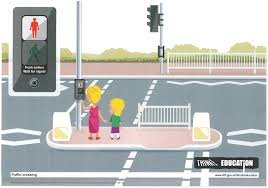
Pelican crossings are one of the unsung heroes of road safety in the UK. Often overlooked by both drivers and pedestrians, these signal-controlled crossings play a crucial role in keeping streets safe while balancing traffic flow. If you’ve ever wondered what a pelican crossing is or how it works, you’re in the right place. This article explores the history, mechanics, safety tips, and practical usage of pelican crossings, making sense of their role in everyday traffic.
What is a Pelican Crossing?
A pelican crossing, short for PEdestrian LIght CONtrolled crossing, is a type of pedestrian crossing that uses traffic lights to stop vehicles and allow pedestrians to cross safely. Unlike a simple zebra crossing, which relies on drivers yielding to people on foot, pelican crossings use a sequence of lights—red, green, and flashing amber, to control traffic.
Key points about pelican crossings:
- They are common across the UK, especially in busy urban areas.
- Pedestrians press a pelican crossing button to activate the traffic lights.
- The crossing uses both visual signals (green man/red man) and sometimes audible signals for visually impaired pedestrians.
Pelican crossings are designed to make road safety intuitive. When pedestrians press the button, the lights sequence stops vehicles and signals walkers to cross with confidence, reducing accidents at busy junctions.
How Does a Pelican Crossing Work?
Understanding the mechanics of a pelican crossing is essential for both pedestrians and drivers.
For Pedestrians:
- Press the pedestrian button to request the green man signal.
- Wait for the green man to appear.
- Cross the road safely while vehicles are stopped at the red light.
- Some crossings feature audible signals or tactile markings, helping those who are visually impaired.
For Drivers:
- Stop at a red signal when the crossing is activated.
- Observe the flashing amber phase, which allows you to proceed only if the crossing is clear.
- Always follow the pelican crossing rules outlined in the Highway Code.
The sequence of traffic lights ensures that pedestrians have priority without unnecessarily stopping vehicles for long periods, striking a balance between safety and traffic efficiency.
Pelican Crossing vs Other Crossings
Pelican crossings are one type of controlled pedestrian crossing in the UK. Understanding the differences can help both drivers and walkers navigate roads safely.
- Pelican vs Puffin Crossing: Puffin crossings use sensors to detect pedestrians waiting or crossing, adjusting signal timing automatically, whereas pelican crossings have fixed timing after the button is pressed.
- Pelican vs Zebra Crossing: Zebra crossings rely on drivers yielding to pedestrians without lights. Pelican crossings are signal-controlled, making them safer in busy areas.
- Toucan Crossings: These allow both pedestrians and cyclists to cross at the same time.
Signal-controlled crossings, like pelican and puffin types, enhance safety for pedestrians while keeping traffic flowing efficiently.
The History and Origin of Pelican Crossings
The term “pelican crossing” was introduced in the UK in the 1960s as part of efforts to reduce road accidents in urban areas. Interestingly, the name is an acronym—PEdestrian LIght CONtrolled—not related to the bird. Pelican crossings were the first type of automated signal-controlled pedestrian crossings in the UK and quickly became a staple in cities and towns.
Over the decades, pelican crossings have evolved:
- Modern versions include audible signals for the visually impaired.
- Tactile paving is often installed to guide pedestrians safely.
- Many crossings now use energy-efficient LEDs in traffic lights.
Safety Rules and Best Practices
For Pedestrians:
- Always press the button before crossing.
- Wait for the green man signal before stepping onto the road.
- Be cautious of the flashing amber, which indicates vehicles may proceed if the crossing is clear.
- Use crossings equipped with tactile or audible signals if visually impaired.
For Drivers:
- Stop at the red light and give way to pedestrians.
- Follow flashing amber rules carefully.
- Avoid blocking the crossing at any time.
- Be extra vigilant near schools and busy shopping areas.
Adhering to these rules helps reduce accidents and ensures everyone can use pelican crossings safely.
Pelican Crossings in Different Regions
While pelican crossings originated in the UK, their concept has influenced road safety worldwide:
- UK: Pelican crossings are standard in urban areas, particularly London.
- Ireland: Similar crossings follow UK rules closely.
- Australia: Some crossings are based on the pelican model, often referred to simply as pedestrian light crossings.
Community awareness is crucial. Surveys show that while most pedestrians can identify pelican crossings, not all drivers fully understand the flashing amber phase, highlighting the importance of public education campaigns.
Pedestrian Perspective: Using Pelican Crossings Effectively
Pedestrians benefit most when crossings are used correctly:
- Knowing when to press the pedestrian button is essential.
- Observing the green man and understanding when the red man indicates “stop.”
- Being aware that the flashing amber allows drivers to proceed with caution.
- Cross at a steady pace without hesitation to avoid confusion for drivers.
This awareness reduces risks at busy roads and improves confidence for pedestrians of all ages.
Driver Perspective: Navigating Pelican Crossings Safely
Drivers must understand the sequence and purpose of pelican crossings:
- Red signal: Stop and wait for pedestrians to cross.
- Flashing amber: Proceed only if the crossing is clear.
- Green: Resume driving normally.
Failure to follow these rules can result in accidents or fines. Additionally, drivers should always anticipate pedestrians at crossings, particularly near schools, shopping districts, and residential areas.
Statistics and Public Understanding
Research shows pelican crossings significantly reduce pedestrian accidents compared to uncontrolled crossings. Key insights include:
- High compliance rates among pedestrians pressing the button correctly.
- Increased safety in busy urban areas compared to zebra crossings.
- Awareness campaigns improve driver understanding of flashing amber rules.
Understanding the statistics behind pelican crossings can guide municipalities in placing and maintaining these crossings for maximum safety.
Real-Life Examples of Pelican Crossings in the UK
Pelican crossings are everywhere in cities and towns across the UK, but some areas showcase their design and utility better than others:
- London: Busy shopping streets like Oxford Street and Camden High Street feature pelican crossings to manage high pedestrian traffic efficiently. The pedestrian buttons are often placed at accessible heights, and audible signals help visually impaired individuals navigate safely.
- Birmingham: Junctions near schools and hospitals use pelican crossings to provide safe passage for children and patients. Timing is adjusted during peak hours to accommodate higher pedestrian volume.
- Manchester: In residential areas, pelican crossings ensure safety on roads where drivers may not expect pedestrians to cross frequently, reinforcing the concept of pedestrian priority.
These examples highlight how pelican crossings are adapted to local traffic conditions, combining safety and efficiency.
Community Awareness and Education
Even though pelican crossings are designed for safety, understanding and compliance among both pedestrians and drivers are essential:
- Schools and local councils often run campaigns to educate children about pressing the pedestrian button and waiting for the green man.
- Driver education emphasizes stopping at red lights, interpreting flashing amber correctly, and yielding to pedestrians.
- Awareness programs reduce accidents and improve trust in signal-controlled crossings.
- Some communities host workshops demonstrating how pelican crossings work, including tactile paving and audible signals.
By combining infrastructure with education, local authorities maximize the effectiveness of pelican crossings and improve overall road safety.
Comparisons With Other Pedestrian Crossings
For both pedestrians and drivers, knowing the differences between crossing types is key:
Pelican vs Puffin Crossings
- Puffin crossings adjust the duration of signals automatically using sensors to detect waiting pedestrians.
- Pelican crossings have a fixed timing after the button is pressed, requiring pedestrians to wait for the standard signal sequence.
- Puffin crossings are generally safer for elderly or slow-moving pedestrians because of the adaptive timing.
Pelican vs Zebra Crossings
- Zebra crossings rely on driver compliance without traffic lights. Pedestrians have right of way, but traffic may not always stop.
- Pelican crossings actively stop vehicles with traffic lights, making them preferable on busy roads.
Toucan Crossings
- Designed for both pedestrians and cyclists, toucan crossings allow simultaneous crossing, reducing conflicts in shared spaces.
- While pelican crossings focus on pedestrian safety, toucan crossings expand the principle to include cyclists, particularly in urban areas.
Understanding these comparisons ensures both drivers and pedestrians use crossings correctly and safely.
Tips for Pedestrians Using Pelican Crossings
Maximizing the safety benefits of pelican crossings requires good habits:
- Always press the pedestrian button: This ensures the traffic lights respond to your presence.
- Observe the green man: Only cross when it is fully illuminated.
- Be aware of the flashing amber: Vehicles may move if the crossing is clear, so ensure you’re fully across before cars proceed.
- Stay visible: Avoid distractions like phones when crossing.
- Children and elderly pedestrians: Accompany those who may hesitate or be slow-moving to avoid risks.
These small actions make a big difference in reducing accidents and encouraging safe street habits.
Tips for Drivers Approaching Pelican Crossings
Drivers also have a responsibility to follow pelican crossing rules:
- Red light: Stop immediately and give way to pedestrians.
- Flashing amber: Proceed only if the crossing is clear, but reduce speed and be ready to stop.
- Avoid stopping on the crossing: Blocking the pedestrian area is illegal and unsafe.
- Anticipate pedestrian movement: Especially in school zones, shopping streets, or areas with high foot traffic.
- Adapt to local conditions: Some crossings are adjusted for traffic flow or pedestrian volume, so be alert to changes.
Proper driver behavior enhances the effectiveness of pelican crossings and prevents collisions.
Pelican Crossing Safety for Vulnerable Users
Pelican crossings are designed to help all pedestrians, including:
- Visually impaired individuals: Audible signals indicate when it is safe to cross.
- Mobility-impaired pedestrians: Wide crossing lanes and tactile paving improve accessibility.
- Children and elderly pedestrians: Clear signals and predictable timing reduce confusion and increase confidence.
Ensuring these features are functional and maintained is essential for public safety.
Modern Enhancements in Pelican Crossings
Over time, pelican crossings have evolved to incorporate technology and improve safety:
- Audible signals: Help those with vision impairment navigate safely.
- LED lighting: Brighter, energy-efficient lights are easier to see in low-light conditions.
- Tactile paving: Warns pedestrians where to cross safely.
- Adaptive timing (in some areas): Sensors detect pedestrian presence and adjust light duration.
These improvements make pelican crossings safer, more accessible, and environmentally friendly.
Public Understanding and Statistics
Studies have shown that pelican crossings significantly reduce pedestrian accidents compared to uncontrolled crossings:
- Pedestrians are more likely to cross at designated crossings rather than jaywalking.
- Driver compliance is generally higher due to the traffic light system.
- Awareness campaigns improve both driver and pedestrian behavior.
- Accidents at signal-controlled crossings are significantly lower than at zebra crossings, especially in busy urban areas.
Using statistics and real-world insights helps authorities plan better pedestrian infrastructure and enhances road safety.
