
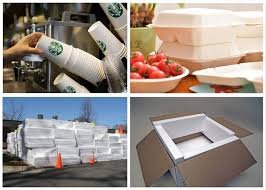
Styrofoam is one of those materials people interact with almost daily, yet rarely stop to think about. From the coffee cup in your hand to the packaging protecting a new appliance, styrofoam quietly plays a role in modern life. Searches around styrofoam and packaging uses, styrofoam and food containers, or styrofoam and insulation reflect how deeply embedded it is in everyday routines.
What makes styrofoam especially interesting is its contradiction. It’s lightweight, practical, and affordable—yet it’s also one of the most debated materials when it comes to environmental impact, recycling, and sustainability. Understanding how styrofoam fits into daily life means looking beyond headlines and exploring where it’s used, why it’s chosen, and what challenges come with it.
What Styrofoam Really Is and Why It’s So Common
When people say “styrofoam,” they’re usually referring to white foam packaging or disposable cups. Technically speaking, Styrofoam is a brand name, while most everyday products are made from expanded polystyrene (EPS). This confusion explains why searches like styrofoam and polystyrene and styrofoam and expanded polystyrene (EPS) are so common.
Expanded polystyrene is a type of foam plastic created by expanding polystyrene beads with air. The result is a material that’s extremely lightweight but surprisingly strong. Its internal structure, mostly air, gives it insulation properties, buoyancy, and shock absorption. These styrofoam and density characteristics are the main reason manufacturers rely on it.
EPS is widely used because it checks several practical boxes at once:
- It’s cheap to produce
- Easy to shape and mold
- Excellent for thermal insulation
- Effective as protective cushioning
This combination explains why styrofoam and foam plastics appear across packaging, construction, food service, and creative industries.
Styrofoam and Packaging in Daily Use
Packaging is where most people encounter styrofoam, often without noticing. From electronics to fragile goods, styrofoam remains a go-to solution for shipping protection.
Food Containers, Coffee Cups, and Take-Out Packaging
One of the most visible uses of styrofoam is in food service. Searches for styrofoam and food containers, styrofoam and coffee cups, and styrofoam and take-out containers show how common it still is.
Styrofoam is popular in food service because it:
- Retains heat well, keeping food warm
- Is lightweight and easy to transport
- Resists moisture better than paper alternatives
- Is cheap for high-volume use
Disposable plates, cups, and clamshell containers are all examples of food service consumables made from EPS. However, this is also where styrofoam and food safety concerns often arise, especially around heat retention impacts and long-term health risks.
Shipping Protection and Product Safety
Beyond food, styrofoam dominates shipping and packaging protection. It cushions products during transport and reduces damage from drops or vibration. This is why styrofoam and shipping protection is a frequent search term among businesses and consumers alike.
Electronics, furniture components, and fragile items often rely on EPS inserts because they’re custom-shaped and lightweight, reducing shipping costs while increasing protection.
Styrofoam and Buildings: Insulation You Rarely See
Another area where styrofoam plays a major role, often unnoticed, is construction. Searches for styrofoam and insulation boards, styrofoam and home insulation, and styrofoam and building materials highlight how common it is behind walls and under floors.
Home Insulation and Construction Applications
EPS is widely used in residential and commercial buildings for thermal insulation. Its ability to trap air makes it effective at reducing heat transfer, which helps maintain indoor temperatures and improve energy efficiency.
Common construction uses include:
- Wall and roof insulation boards
- Floor insulation systems
- Foundation insulation
- Lightweight structural panels
Because of its insulation properties and moisture resistance, styrofoam and construction applications continue to expand, especially in energy-efficient building designs.
Advantages and Practical Limitations
While styrofoam offers clear benefits in construction, it also comes with concerns. Fire resistance, long-term durability, and environmental impact are all factors builders must consider. This balance between performance and responsibility fuels ongoing debate around foam plastics in the building industry.
Styrofoam and Creative, DIY, and Hobby Uses
Styrofoam isn’t limited to industrial or commercial use. It’s also a favorite material for artists, hobbyists, and educators. Searches like styrofoam and crafts materials and styrofoam and DIY projects reflect its popularity in creative spaces.
Crafts, Art, and Model Making
Artists and students often choose styrofoam because it’s:
- Easy to cut and shape
- Lightweight for large models
- Affordable for experimentation
This makes it ideal for styrofoam and school crafts, styrofoam and art ideas, and styrofoam and model making. From architectural models to stage props, EPS allows for creative freedom without high material costs.
Upcycling and Gardening Uses
Some people explore styrofoam and upcycling projects as a way to reduce waste. Others use it in gardening, where broken pieces can improve soil drainage in pots. While creative, these uses come with cautions, especially around microplastic pollution and long-term soil health.
Styrofoam and Health: Common Questions and Concerns
Health-related searches around styrofoam continue to grow. People frequently look up styrofoam and chemical leaching, styrofoam and health risks, and styrofoam and BPA concerns.
Styrofoam used in food containers does not contain BPA, but concerns arise when it’s exposed to high heat. Heating styrofoam containers, especially in microwaves, can increase the risk of chemical migration into food. This explains why styrofoam and heat retention impacts are often discussed in food safety conversations.
Used correctly and as intended, EPS food containers are generally considered safe. Problems usually occur when products are misused or exposed to conditions they weren’t designed for.
Styrofoam and Environmental Impact
Environmental impact is where styrofoam becomes most controversial. Searches for styrofoam and environmental impact, styrofoam and pollution, and styrofoam and sustainability dominate discussions around the material.
Styrofoam is non-biodegradable, meaning it doesn’t break down naturally. Instead, it fragments into smaller pieces, contributing to styrofoam and microplastics and long-term landfill accumulation.
Marine Debris and Landfill Waste
Because it’s lightweight, styrofoam easily escapes waste systems and enters waterways. This is why styrofoam and marine debris is a major environmental concern. Once in the ocean, EPS breaks apart, becoming nearly impossible to fully remove.
Landfills face similar issues. Styrofoam and landfill waste takes up space without decomposing, creating long-term disposal challenges.
Styrofoam and Recycling: Why It’s So Complicated
Recycling is where styrofoam creates the most confusion. Searches like styrofoam and recycling processes, styrofoam and recycling challenges, and styrofoam and how to recycle show that people want to do the right thing but aren’t sure how.
Styrofoam is technically recyclable because it’s made from polystyrene, a recyclable plastic. The problem lies in the process, not the material itself.
Expanded polystyrene is about 95–98% air. That means collecting, transporting, and processing it is inefficient and expensive. A truck full of used styrofoam weighs very little but takes up a lot of space, which drives up costs. This is one of the biggest recycling infrastructure challenges associated with EPS.
Why Most Curbside Programs Don’t Accept It
Many local recycling programs don’t accept styrofoam because:
- It contaminates easily with food residue
- It breaks into small pieces that jam machines
- Specialized equipment is required to compact it
This explains why styrofoam and recycling rules vary so widely from city to city. Some areas offer drop-off points, while others send it straight to landfill.
When EPS is recycled, it’s usually compacted into dense blocks and reused in:
- Picture frames
- Crown molding
- Insulation products
- Plastic lumber
This process supports ideas like styrofoam and waste reduction and styrofoam and circular economy benefits, but only where proper facilities exist.
Styrofoam and Sustainability: A Material Under Pressure
Sustainability discussions often frame styrofoam as the villain, but the reality is more nuanced. Searches like styrofoam and sustainability and styrofoam and environmental conservation reflect this growing complexity.
Styrofoam has a low carbon footprint during production compared to some heavier alternatives. Because it’s lightweight, it reduces fuel use during transportation. Its insulation properties also help save energy in buildings, which supports energy efficiency goals.
However, these benefits are offset by its end-of-life problems. Being non-biodegradable and difficult to recycle places EPS at odds with long-term sustainability goals. This tension is why so many discussions now focus on styrofoam and alternatives to use instead.
Styrofoam and Eco, Friendly Alternatives
As pressure increases, industries are exploring eco packaging innovation and sustainable materials. Searches for biodegradable packaging alternatives and sustainable foam substitutes continue to rise.
Common Alternatives to Styrofoam
Some widely discussed alternatives include:
- Molded fiber packaging made from recycled paper
- Compostable materials derived from cornstarch or sugarcane
- Reusable containers for food service
- Mushroom-based packaging grown from agricultural waste
These alternatives aim to reduce non-biodegradable materials and minimize landfill accumulation. However, they often come with higher costs, lower insulation performance, or limited availability.
This is why styrofoam hasn’t disappeared completely. For certain applications, especially insulation and protective cushioning, EPS still outperforms many substitutes in terms of efficiency and durability.
Styrofoam and Regulation: Bans, Restrictions, and Local Laws
Government action plays a major role in shaping how styrofoam is used. Searches like styrofoam and bans in cities, styrofoam and plastic restrictions, and styrofoam and environmental policies reflect growing public awareness.
City-Level and Regional Bans
Many cities have banned styrofoam food containers, especially for take-out and single-use dining. These bans usually target:
- Disposable cups and plates
- Clamshell food containers
- Single-use packaging in restaurants
The goal is to reduce litter, marine debris, and landfill waste. However, bans rarely apply to construction insulation or protective packaging, where alternatives are less practical.
Recycling Laws and Policy Differences
Some regions focus on improving recycling rather than banning EPS outright. This includes investing in densification equipment or creating centralized drop-off locations. As a result, styrofoam and recycling laws differ widely depending on local priorities and infrastructure.
Styrofoam and Buoyancy: Why It Floats Everywhere
One lesser-known but important property of styrofoam is buoyancy. Because EPS is mostly air, it floats easily, which explains its widespread use in docks, flotation devices, and marine construction.
This same property contributes to environmental problems. Floating debris travels long distances, making styrofoam and marine debris a global issue rather than a local one. Once fragmented, EPS becomes part of microplastic pollution that’s extremely difficult to clean up.
Styrofoam and Everyday Language Confusion
Many searches reflect confusion around terminology. People often ask:
- Is styrofoam the same as thermocol?
- Is styrofoam the same as polystyrene?
In everyday language, “styrofoam” is used as a catch-all term. In reality, it’s one brand name under the broader category of polystyrene foam. Thermocol, commonly used in some regions, is also expanded polystyrene.
This explains the popularity of searches like styrofoam and expanded polystyrene, styrofoam and foam plastics, and styrofoam and insulation properties.
Styrofoam and Microplastics: A Growing Concern
As styrofoam breaks down, it doesn’t disappear, it fragments. These fragments contribute to microplastic pollution, entering soil, water, and food systems.
Microplastics formed from EPS are particularly problematic because they’re lightweight and widely dispersed. This long-term environmental impact is a major driver behind bans, research efforts, and consumer pressure for change.
Styrofoam and Consumer Choices
Consumers play a significant role in shaping the future of styrofoam. Searches like styrofoam and why it’s bad for the environment often lead people to reconsider daily habits.
Small actions, choosing reusable containers, avoiding unnecessary packaging, and supporting recycling programs, can reduce demand. At the same time, informed consumer choices encourage companies to invest in sustainable design and alternative materials.
Styrofoam and the Future of Materials
The future of styrofoam isn’t about total elimination, it’s about smarter use. Research continues into:
- Improved recycling technologies
- Cleaner production methods
- Hybrid materials that combine performance with biodegradability
As sustainability expectations evolve, styrofoam’s role in everyday life will likely shrink in some areas and remain essential in others.
