
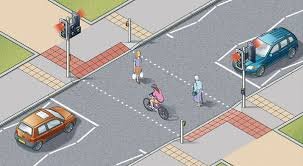
Toucan crossings are an important part of the UK’s traffic infrastructure, designed to improve safety for both pedestrians and cyclists. Unlike traditional pedestrian-only crossings, a toucan crossing allows bicycles to be ridden across the road alongside pedestrians. The name “toucan” comes from the phrase “two can cross together”, highlighting that both pedestrians and cyclists can use the crossing simultaneously.
Understanding how a toucan crossing works, the rules for using it, and safety tips is essential for anyone navigating UK roads. In this article, we will explore the functionality, types, regulations, and best practices for using a toucan crossing effectively. Keywords naturally included here: toucan crossing, toucan crossing UK, toucan crossing meaning.
What Is a Toucan Crossing?
A toucan crossing is a British pedestrian and cycle crossing, typically four meters wide, wider than pelican or puffin crossings. Its design allows both pedestrians and cyclists to cross at the same time.
- Pedestrians and cyclists can cross simultaneously.
- It usually includes signal lights for both pedestrians and cyclists.
- The crossing may feature push-button controls to request a safe crossing.
Older toucan crossings sometimes allow cyclists to cross at any time if it is safe, without requiring the red bicycle signal to be obeyed. Newer crossings include a red and green bicycle light next to the pedestrian signals. Keywords naturally used: toucan crossing definition, toucan crossing diagram, what is a toucan crossing?
How Does a Toucan Crossing Work?
The operation of a toucan crossing is straightforward yet unique. Signal lights are coordinated to control both pedestrians and cyclists.
- A green man and green bicycle symbol indicate it is safe to cross.
- A red man and red bicycle symbol mean stop.
- Lights may be located on the near side (like a puffin crossing) or opposite side (like older pelican crossings).
Some crossings also feature a steady red and amber phase for vehicles before they can move again, differing from the flashing amber at pelican crossings. Keywords naturally included: toucan crossing lights, how does a toucan crossing work?, traffic light crossings for cyclists.
Who Can Use a Toucan Crossing?
Toucan crossings are specifically for pedestrians and cyclists. No motor vehicles are allowed to cross in these lanes.
- Pedestrians walk on the crossing path.
- Cyclists may ride or dismount depending on local rules or safety.
- The shared design reduces conflicts between different road users while maintaining traffic flow.
Keywords naturally integrated: toucan crossing for cyclists, pedestrian and cycle crossings, cyclist-friendly crossings.
Toucan Crossing Rules and Best Practices
Using a toucan crossing correctly is vital for safety. Key rules include:
- Wait for green lights before crossing.
- Pedestrians and cyclists should stay in their designated areas.
- Avoid stopping in the middle of the crossing.
- Remain alert to vehicles turning nearby.
Best practices include staying focused, avoiding distractions like mobile phones, and encouraging courteous behavior between cyclists and pedestrians. Keywords naturally included: toucan crossing rules, how to use a toucan crossing properly, traffic rules for toucan crossings, best practices for toucan crossings.
Safety Tips for Toucan Crossings
Accidents can happen even at well-designed crossings. Following safety tips helps reduce risk:
- Always look both ways, even if the signal is green.
- Cyclists should consider dismounting in crowded areas.
- Follow all signals and buttons accurately.
- Encourage children and vulnerable road users to cross safely.
Keywords naturally included: toucan crossing safety tips, pedestrian and cyclist safety, road safety for cyclists, pedestrian safety crossings.
Comparing Toucan Crossings to Other UK Crossings
Understanding how a toucan crossing differs from other types of crossings in the UK helps pedestrians and cyclists navigate safely. Each crossing type has specific rules and purposes.
- Toucan Crossing vs Zebra Crossing:
- Zebra crossings are pedestrian-only and do not include traffic lights. Vehicles must stop when someone steps onto the crossing.
- Toucan crossings are signal-controlled and allow both pedestrians and cyclists to cross simultaneously.
- Zebra crossings are pedestrian-only and do not include traffic lights. Vehicles must stop when someone steps onto the crossing.
- Toucan Crossing vs Pelican Crossing:
- Pelican crossings are controlled by pedestrian signals but do not accommodate cyclists riding across.
- Toucan crossings have a separate bicycle signal alongside pedestrian lights.
- Pelican crossings are controlled by pedestrian signals but do not accommodate cyclists riding across.
- Toucan Crossing vs Puffin Crossing:
- Puffin crossings have sensors to detect pedestrians, adjusting signal timing accordingly.
- Toucan crossings are designed for two types of users—pedestrians and cyclists, and may not have pedestrian sensors.
- Puffin crossings have sensors to detect pedestrians, adjusting signal timing accordingly.
- Toucan Crossing vs Parallel Crossing:
- Parallel crossings are less common and may separate pedestrian and cyclist lanes physically.
- Toucan crossings use shared space but clearly marked signals.
- Parallel crossings are less common and may separate pedestrian and cyclist lanes physically.
Other crossing types in the UK include standard pedestrian crossings, controlled crossings, and light-controlled crossings. Keywords naturally included: toucan crossing vs zebra crossing, toucan crossing vs pelican crossing, toucan crossing vs puffin crossing, types of pedestrian crossings, UK pedestrian crossing types, pedestrian and cyclist crossings.
Infrastructure and Traffic Considerations
The design and placement of toucan crossings are critical for maximizing safety and efficiency.
- Location: Often installed near busy intersections, cycle routes, or areas with heavy pedestrian traffic.
- Width: Wider than typical pedestrian crossings to accommodate cyclists safely.
- Signals: Positioned for both near-side and far-side visibility for users.
- Integration with cycle lanes: Ensures cyclists have a continuous path across the road, reducing potential conflicts with vehicles.
Traffic engineers consider several factors when planning toucan crossings, including visibility, vehicle speed, and surrounding infrastructure. Keywords included: cycle lanes at crossings, pedestrian and cycle crossings, traffic light crossings for cyclists, cyclist-friendly crossings.
Accident Statistics and Safety Analysis
Safety is the primary reason for toucan crossings. Data shows that properly designed crossings reduce collisions between vehicles, cyclists, and pedestrians.
- Studies indicate a lower incidence of accidents compared to uncontrolled crossings.
- Collisions at toucan crossings often involve failure to obey signals or improper use by pedestrians or cyclists.
- Public awareness campaigns and clear signage (toucan crossing sign) further enhance safety.
Key safety measures include adherence to traffic rules, clear markings, and ensuring all users understand the shared space concept. Keywords naturally included: toucan crossing accident statistics, pedestrian and cyclist safety, toucan crossing safety tips.
Tips for Pedestrians and Cyclists Using Toucan Crossings
Practical tips ensure safe use of toucan crossings:
- Stay alert: Always check the signals and surrounding traffic.
- Follow your lane: Pedestrians and cyclists should stick to their designated areas.
- Be courteous: Cyclists should yield to pedestrians if the crossing is crowded.
- Avoid distractions: Mobile phones or headphones can reduce awareness.
- Report issues: Damaged signals or markings should be reported to local authorities.
These practices improve safety for everyone and encourage proper usage of shared crossings. Keywords included: how to cross a toucan crossing, toucan crossing rules, best practices for toucan crossings.
Benefits of Toucan Crossings
Toucan crossings provide multiple advantages for urban areas:
- Enhanced safety: Reduces the risk of collisions for pedestrians and cyclists.
- Efficient traffic flow: Signal coordination prevents unnecessary congestion.
- Inclusive design: Accommodates both pedestrians and cyclists, promoting sustainable transport.
- Clarity of use: Clear markings and signals reduce confusion at busy roads.
The shared space and coordinated signals make toucan crossings a modern solution for growing urban transport needs. Keywords included: pedestrian and cyclist crossings, cyclist-friendly crossings, road safety for cyclists.
Common Misconceptions About Toucan Crossings
There are several misunderstandings about how toucan crossings function:
- Not just for cyclists: Pedestrians have equal priority.
- Cyclists don’t always need to stop: Depending on local rules, cyclists may ride if safe, even when red.
- Toucan vs Puffin: Some think they are the same, but puffin crossings are pedestrian-focused with sensors.
- Signal compliance: Some users assume it’s optional, but following signals is crucial for safety.
Clarifying these misconceptions helps reduce accidents and ensures smooth use of crossings. Keywords included: toucan crossing for cyclists, toucan crossing safety tips, pedestrian and cyclist safety.
