
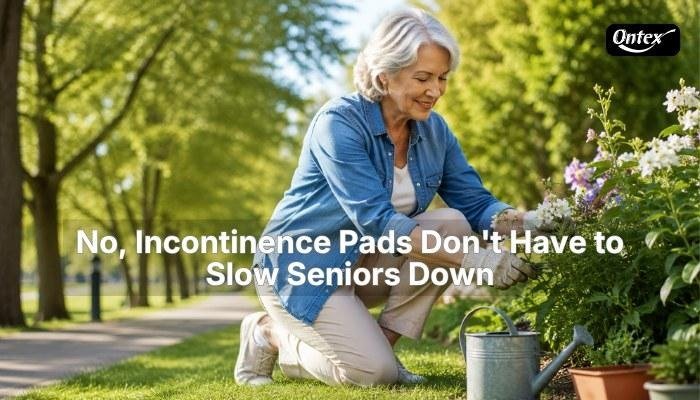
Plenty of people assume incontinence pads mean giving up an active life. The assumption makes sense on the surface since most of us still picture the bulky products from decades ago. However, that image hasn’t matched reality for years.
And the gap between old perception and current reality is exactly why mobility and incontinence get so misunderstood. A pad changes what you wear, while your ability to stay active remains the same. So walking, gardening, and catching up with mates all stay part of your week.
Ontex Healthcare hears this same worry constantly from carers and seniors alike: the fear that incontinence will hold seniors back from the life they’re used to. So, this article walks through why that fear doesn’t match how modern pads actually work.
Why So Many Seniors Deal With Urinary Incontinence in the First Place

If you think incontinence is rare, the numbers say otherwise. According to Continence Health Australia, urinary incontinence affects 1 in 4 adults in Australia (chances are, someone in your street is dealing with this too).
Age plays a major part, since the muscles involved in bladder control can lose some strength over time. Other factors include:
- Certain medications
- Health conditions like diabetes and Parkinson’s disease
- Being overweight or obese
- Prostate conditions or prostate surgery (in men)
Pregnancy and hormonal changes can also contribute, with women experiencing incontinence at higher rates than men. However, none of these factors makes someone less capable; they simply affect how well the bladder functions.
Why the Bulky Pad Myth Still Follows Seniors Around Today
Old TV ads and outdated packaging influenced what most of us expect a pad to look like, even though the products themselves have changed over the years. If you haven’t needed one recently, you’re probably picturing the version you last saw. And a family member with the same mental picture can easily reinforce that perception.
On top of that, incontinence rarely comes up in everyday conversation, so nobody’s around to say, “Actually, that’s changed.” The myth simply keeps going unchallenged.
What Makes Today’s Incontinence Products Thin Enough to Move Freely
You already know the old assumptions don’t add up anymore. What you might not know is exactly how manufacturers closed that gap. Two things drive this shift: what’s inside the pad, and how it’s built to sit against your body.
Slimmer Pads Let You Move the Same Way You Always Have
Older designs needed thick padding to hold moisture, and that bulk is what people still picture today. The absorbent cores now do this in a fraction of the space, so bending, walking, and sitting all feel normal again.
Ontex Healthcare’s iD Y Core Technology is one example. It uses a thinner core built for rapid absorption, which cuts the bulk that used to come with that level of protection. Carers who’ve seen the difference firsthand say the new fit sits noticeably better, without the padding people used to notice all day.
A Discreet Fit Means No One Can Tell You’re Wearing One
The pad itself now sits slim and close to the body under regular clothing. So you can wear jeans, dresses, or activewear at the gym without a second thought. There are no visible lines to give it away, so you can feel confident heading out the door, whether it’s a café catch-up or a family event.
Discretion isn’t the whole story, though. The protection still needs to perform as you move through the day. Newer absorbent materials draw moisture away from the skin faster than older designs, which helps keep the area drier and more comfortable. A skin-friendly top layer also makes the pad feel softer against the body (worth having when you’re wearing it for several hours).
Keep in Mind: Pads are designed for urinary incontinence and won’t offer the same protection for faecal incontinence. Check the product type before you buy to make sure it matches your needs.
How Active Seniors Stay Active and Manage Incontinence Without Slowing Down
To be honest, managing incontinence is hard, and sometimes it can carry a real emotional toll. In fact, studies link incontinence to higher rates of depression and lower life satisfaction, often because people quietly withdraw from the things they used to enjoy.
However, none of that has to be the outcome. When you’ve got the right protection sorted, you can easily keep doing the social and physical activity you already love, like:
- Walking Groups and Bowls Clubs: Missing a session means missing the exercise, the people and the chat that come with it. The right product keeps that routine intact instead of something you plan around.
- Grandkids’ Footy Games: If you’re on the sideline, you don’t want to be watching the clock instead of the game. That’s the kind of afternoon incontinence shouldn’t get to interrupt.
- Long Car Trips: A secure pad means you don’t need to map out toilet stops before you’ve even left the driveway. Many people skip weekends away over exactly this concern.
Ontex’s Lille range was built with everyday movement and comfort in mind. Its close-fitting design provides discreet protection under clothing, so you can focus on the activity, the people around you and the time you’re spending together.
Incontinence Doesn’t Get the Final Say
As you can see, the mobility myth was never true to begin with. Incontinence changes what’s underneath your clothes, rather than what you’re capable of. And today’s pads are built around exactly that difference.
Whether it’s a walking group, a footy afternoon, or just pottering around at home, none of it needs to stop. The correct product handles the practical side so you can stay focused on your health and your community.
Ontex Healthcare offers a full range of adult incontinence products, including iD, Lille, Kylie, and Serenity Care, built to support seniors staying active on their own terms. Order a free sample today and see the difference for yourself.
Frequently Asked Questions (FAQs)
Here are some of the questions we hear most often from carers and seniors:
What should I look for in skin-friendly, absorbent products?
Look for absorbent protection that draws moisture away quickly, paired with skin-friendly materials that reduce irritation. Quality matters more than price here, since poor-fitting products increase the risk of discomfort.
Is reduced mobility or poor balance linked to incontinence risk?
Reduced mobility and poor balance can both increase incontinence risk, particularly in older people managing a disability. Rushing to the bathroom raises the chance of a fall. The right product reduces that rush, which helps maintain both stability and confidence.
How can I support a loved one who wants to stay independent?
Start with a gentle conversation, since there’s no easy way to bring this up. Access to good advice, whether through a GP or aged care services, helps a loved one stay independent without added stress.
