
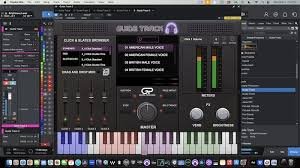
If you’ve ever stared at your DAW timeline thinking, “Okay… but when should you add a drop in a track?”, you’re not alone. This is one of those production questions that feels simple on the surface but gets deeper the more music you make.
A drop isn’t just a loud moment or a beat switch. It’s timing, tension, expectation, and payoff all rolled into one. Place it right, and the track feels alive. Place it wrong, and even a great sound selection can fall flat.
This guide breaks everything down in real-world terms, not rules carved in stone, but patterns, instincts, and proven approaches producers actually use.
Understanding What a Drop Really Is (Beyond the Hype)
Before figuring out where to place a drop, it helps to be clear on what it actually does.
A drop is the moment where:
- Built-up tension releases
- Energy changes sharply
- The listener gets what they’ve been waiting for
This usually happens after a build-up section, but not always. In some genres, the drop replaces the chorus. In others, it is the chorus.
That’s why drop placement in music arrangement matters more than the sounds themselves.
When Should You Add a Drop in a Track?
This is the core question, and the honest answer is:
You add a drop when the listener is ready for it.
That readiness comes from three things working together:
- Structure
- Timing
- Emotional momentum
Let’s unpack each one.
Track Structure: Where a Drop Usually Sits
Most modern tracks follow familiar patterns, even when they bend the rules.
Common Drop Placement Options
- After the intro + build-up
This is the classic EDM and dance track approach. - Where the chorus would normally be
Common in bass music, future house, and some pop-EDM hybrids. - After a breakdown
Used when you want contrast before hitting hard again. - Midway through the track as a surprise
Less predictable, but powerful when done right.
This is why people search for things like:
- where to place a drop in a track
- ideal location for a drop in a song
There’s no single answer, but there are patterns listeners subconsciously expect.
Build-Up to a Drop Timing: Setting the Stage
A drop without a proper build-up almost never hits as hard as it could.
What the Build-Up Actually Does
- Signals that something is coming
- Increases tension and anticipation
- Clears space so the drop feels bigger
This is where tension and release in a track becomes real, not theoretical.
How Long Should a Build-Up Be Before a Drop?
This depends on tempo, genre, and energy level, but common ranges are:
- 8 bars – quick, punchy, high-energy
- 16 bars – most common and flexible
- 32 bars – slower builds, cinematic or progressive styles
That’s why searches like how long before a drop should build-up last and build up to a drop timing are so common.
Drop Timing in Bars: The Numbers Producers Actually Use
Let’s talk specifics.
How Many Bars Before a Drop?
Most drops land after:
- 8 bars
- 16 bars
- Occasionally 32 bars
In faster genres, shorter builds work better. In slower or deeper styles, longer phrasing gives the drop more weight.
Add Drop After 8 Bars or 16 Bars?
- 8 bars:
- Feels immediate
- Great for club-focused tracks
- Keeps energy high
- Feels immediate
- 16 bars:
- Feels more “earned”
- Allows more tension
- Works across most genres
- Feels more “earned”
This is why best bar count for a drop doesn’t have one fixed answer, it’s about context.
Phrase Timing for Drop Placement
Music breathes in phrases, not just bars.
Counting Beats Before the Drop Hits
Most drops land:
- On a strong downbeat
- At the start of a new phrase
- Right after a clear transition moment
That’s also where the debate comes in:
- Drop landed on downbeat vs offbeat
Downbeats feel solid and powerful.
Offbeat drops feel surprising and edgy, but harder to pull off.
Intro, Build-Up, and Drop Arrangement: A Flow That Works
A clean intro build up and drop arrangement usually follows this energy curve:
- Intro sets the mood
- Elements gradually stack
- Energy pulls back slightly
- Build-up increases tension
- Drop releases everything
If the intro already feels intense, the drop has less impact. Contrast matters.
Pre-Drop Moments That Make the Difference
The seconds right before the drop are often more important than the drop itself.
Common Pre-Drop Techniques
- Removing the kick
- Filtering out low end
- Short silence before a drop
- Rising pitch or noise sweeps
These techniques help create contrast before the drop to make it hit harder.
Even half a beat of silence can massively increase impact.
Optimal Drop Timing in EDM and Dance Music
In EDM, drop timing is almost part of the genre’s DNA.
How to Time an EDM Drop
Most EDM tracks:
- Introduce the main idea early
- Build tension gradually
- Deliver the drop around the 45–60 second mark
This keeps DJs happy and listeners engaged.
Dance Track Drop Placement
For dance floors:
- Predictability helps movement
- Drops often align with phrasing DJs expect
- Energy should reset cleanly after the drop
That’s why making a drop hit on the beat matters so much in club-focused tracks.
Techno Drop Placement Tips
Techno handles drops differently.
- Drops are often subtler
- Energy changes feel gradual
- Tension builds through repetition
In techno, the “drop” might be:
- A bassline entering
- A filter opening
- A percussion shift
Still, drop placement matters, it’s just more understated.
Drop After Snare Roll or Riser?
This is one of the most common production decisions.
Snare Rolls Into Drop
- Create rhythmic urgency
- Signal the exact moment of impact
- Work especially well in EDM and bass music
Risers Before the Drop
- Add tension without rhythm
- Build atmosphere
- Great for cinematic or melodic tracks
Most producers use both, just in balance.
Making the Drop Impactful (Without Just Turning It Louder)
A powerful drop isn’t about volume. It’s about change.
Ways to Increase Impact
- Strip elements before the drop
- Change rhythm or groove
- Introduce new harmonic content
- Shift dynamics dramatically
This answers the question how to make a drop more impactful better than any plugin ever could.
Why Drop Placement Matters in a Song
A well-placed drop:
- Keeps listeners engaged
- Makes the track memorable
- Gives structure to energy flow
A poorly placed drop:
- Feels rushed or boring
- Breaks immersion
- Weakens the emotional arc
That’s why people ask how significant is drop timing to a track’s energy, because it’s huge.
Should a Drop Come After the Chorus?
Sometimes yes. Sometimes no.
Chorus vs Drop
- In pop, the chorus often is the drop
- In EDM, the drop usually replaces the chorus
- In hybrid styles, both can exist
Understanding chorus vs drop helps you avoid forcing a structure that doesn’t fit your track.
Do You Drop After the Verse or Build-Up?
Most of the time:
- After the build-up, not directly after a verse
The build-up acts as a bridge between narrative (verse) and energy (drop).
Should Every Dance Track Have a Drop?
No, and that’s important.
Some tracks rely on:
- Groove
- Subtle progression
- Layered tension
Still, when a track does include a drop, listeners expect it to land with purpose.
Emotional Impact: When a Drop Feels Earned
A drop feels earned when:
- The listener has waited long enough
- The energy contrast is clear
- The timing feels natural
This is why when does a drop feel earned is such a powerful question.
It’s less about rules, more about listening back and asking:
“Does this moment feel like the right payoff?”
Why Do People Say “Drop” Instead of “Release”?
In modern production culture, “drop” became shorthand for:
- The moment everything hits
- The part people wait for
- The energy peak
It’s less technical, more emotional, and that’s why the term stuck.
Why Do Beat Drops Feel So Good?
Because the brain loves:
- Anticipation
- Pattern recognition
- Sudden contrast
When tension releases at the right moment, dopamine follows. That’s science and music working together.
How Does a Drop Track Work in Practice?
A “drop track” is built around:
- Energy cycles
- Repeated drops with variation
- Clear tension-and-release moments
Each drop should feel familiar but slightly different, new sounds, rhythms, or textures keep it fresh.
Common Drop Timing Mistakes Producers Make
Even experienced producers stumble when it comes to drop placement and timing. Recognizing these mistakes can save you weeks of trial and error.
Dropping Too Early
- When a drop lands before tension is established, it feels hollow.
- Listeners don’t have the anticipation to make the payoff satisfying.
- Common in fast-tempo tracks where producers try to hit energy immediately.
Waiting Too Long
- Overly long build-ups can make the track drag.
- Listeners may lose interest before the drop hits.
- Balance patience and payoff: the drop should feel earned, not delayed endlessly.
Overusing Fake Drops
- Fake drops create tension but can fatigue the listener if repeated too often.
- Each fake drop must have a clear purpose, or it will dilute the impact of the real drop.
Volume Over Impact
- Turning up the volume or bass alone doesn’t make a drop effective.
- Contrast, rhythm, and melodic changes are far more important for making the drop memorable.
Ignoring Groove and Phrasing
- Misaligned drops with phrasing can feel “off.”
- Drops should often land on a strong downbeat or at a natural phrase boundary.
- Misplaced drops confuse the listener and weaken energy flow.
How to Test Drop Timing in Your Track
The best way to know if a drop is in the right spot is to listen critically and use reference tracks.
A/B with Reference Tracks
- Compare your build-up and drop to similar songs in your genre.
- Note how long the build-up lasts, where the drop lands, and the energy contrast.
Solo and Full Mix Listening
- Listen on headphones for micro-details: tension, frequency gaps, rhythmic alignment.
- Listen on speakers to feel the physical energy of the drop.
Crowd or Listener Testing
- Play your track in a small setting or share with trusted producers.
- Observe reactions: do people nod, move, or anticipate the drop?
Advanced Drop Placement Techniques
For producers looking to go beyond the basics, subtle techniques can elevate drop impact.
Dynamic Contrast
- Strip layers right before the drop to create a vacuum for impact.
- Reduce reverb or mute melodic elements briefly, then bring them back instantly.
Using Silence Strategically
- Even half a beat of silence before the drop can massively increase tension.
- Silence works best when paired with a strong rhythmic or bass re-entry.
Layer Variation
- Introduce new synths, percussion, or effects at the drop.
- Variation prevents monotony, making each drop feel unique.
Emotional Timing
- Consider the listener’s journey: are they expecting energy now?
- Drops should feel like a reward for their attention, not just a loud moment.
Genre-Specific Drop Placement
Different genres have unique expectations and strategies for drops.
EDM and House
- Drop after 16–32 bars of build-up is standard.
- Risers, snare rolls, and filtered builds are commonly used.
- Drops are usually the most energetic part of the track.
Drum & Bass
- Shorter build-ups: 8–16 bars often sufficient.
- Drops hit harder with fast-paced bass and drum changes.
- Phrasing is crucial due to high tempo.
Techno
- Subtle drops, often emphasizing groove over dramatic changes.
- Drop placement may occur in minimal steps, creating a hypnotic effect.
- Listeners notice small shifts more than loudness spikes.
Trap and Hip-Hop
- Drops may coincide with chorus or hook sections.
- Often paired with vocal emphasis or melodic switch.
- Rhythmic tension and silence can be more important than layered synths.
Tips for Making Your Drop Memorable
Even if your drop is well-timed, you need to make it catchy and impactful.
Focus on Groove and Rhythm
- Strong kick-bass patterns reinforce the drop.
- Syncopation or offbeat hits can add unexpected energy.
Emotional Payoff
- Drops should resolve the tension built during the pre-drop.
- Contrast in harmony, rhythm, or instrumentation makes the drop feel earned.
Use of Effects
- Risers, reverse cymbals, white noise sweeps, and automation enhance the sensation of release.
- Avoid overuse, subtlety often beats overcomplication.
Practical Drop Placement Checklist
When evaluating your track, ask yourself:
- Does the build-up create tension and anticipation?
- Does the drop hit on a strong beat or phrase boundary?
- Is there contrast before and after the drop?
- Is the drop too early or too late for listener engagement?
- Have I added small variations to make the drop unique and memorable?
- Does it align with the expectations of my target genre?
Using this checklist ensures that your drop lands with maximum impact and emotional payoff.
How to Decide When to Add a Drop in a Track
Ultimately, drop timing is both art and science.
- Art: Listening intuition, emotional flow, and creative experimentation.
- Science: Understanding song structure, bar counts, and rhythmic phrasing.
Producers often blend both approaches: they set rough bar-based timing, then tweak based on what feels right.
Remember, every track is different, there’s no one-size-fits-all formula. Using these strategies, you can make the drop feel earned, exciting, and memorable for every listener.
Subtle Mistakes That Kill a Drop Without You Noticing
Even when your drop seems “technically correct,” small errors can reduce its impact. These are the kinds of issues that make a track feel flat, even if everything else sounds polished.
Overcrowding the Pre-Drop
- Too many melodic or harmonic elements before the drop can reduce contrast.
- Risers, pads, and percussion should gradually build tension, not clutter it.
- Silence or minimal instrumentation right before the drop can make it feel massive.
Predictable Patterns
- If every drop follows the same exact structure, listeners become desensitized.
- Adding subtle variations in rhythm, instrumentation, or effects keeps the listener engaged.
Ignoring Listener Energy
- Drops aren’t just about sound, they’re about how people feel.
- If your pre-drop tension doesn’t match the intended release, the drop will feel anticlimactic.
- Consider tempo, volume, and genre expectations when deciding placement.
Misaligned Frequency Spectrum
- If the pre-drop section has too much low-end, the drop may not hit as hard.
- Ensure bass and sub frequencies drop out slightly or change rhythm to create contrast.
Adjusting Drops for Streaming vs Club Tracks
The ideal drop can vary depending on your audience.
Streaming-Focused Drops
- Early drops (around 30–45 seconds) help retain listeners.
- Shorter build-ups work better since attention spans are shorter on playlists.
- Focus on catchy melodies or hook-driven drops to maximize repeat listens.
Club and Festival Drops
- Longer build-ups allow DJs to mix tracks smoothly.
- Energy resets between sections are crucial for dance floor engagement.
- Drop timing often follows 16–32 bar phrasing to match physical movement of the crowd.
Hybrid Approach
- Many producers create tracks with multiple drop points to satisfy both streaming and club audiences.
- This can involve layering secondary drops or mini-drops for engagement.
Step-by-Step Example: Placing a Drop in a DAW
Here’s how producers typically approach drop placement in practice:
- Set Your Tempo and Key
- Ensure your build-up and drop match the song’s energy curve.
- Identify phrase boundaries (8, 16, or 32 bars).
- Ensure your build-up and drop match the song’s energy curve.
- Create the Build-Up Section
- Gradually add tension with risers, snare rolls, and filtered synths.
- Introduce rhythmic tension while simplifying the harmonic content.
- Gradually add tension with risers, snare rolls, and filtered synths.
- Decide on Pre-Drop Moment
- Silence, filter sweeps, or micro-breakdowns make the drop feel earned.
- Reduce kick or bass temporarily to create space.
- Silence, filter sweeps, or micro-breakdowns make the drop feel earned.
- Drop Entry
- Reintroduce bass, drums, and main synths with maximum contrast.
- Use volume, dynamics, and rhythmic shift to emphasize impact.
- Reintroduce bass, drums, and main synths with maximum contrast.
- Test and Adjust
- Play the section in headphones and on speakers.
- Compare with reference tracks.
- Adjust bar count, pre-drop tension, or drop content if it doesn’t feel right.
- Play the section in headphones and on speakers.
Using Risers, Snare Rolls, and Automation Effectively
- Risers: Increase pitch or filter frequency gradually to create tension.
- Snare Rolls: Build rhythmic urgency; can accelerate toward the drop.
- Automation: Control filter cutoff, reverb, or volume to guide the listener’s ear.
- These elements shouldn’t overshadow the drop itself, they should prepare it.
Balancing Dynamics for Maximum Drop Impact
- Use dynamic contrast: quiet or minimal before the drop, loud and full during the drop.
- Avoid making the drop louder without changing other musical elements; it won’t feel earned.
- Consider stereo width, panning, and sub frequency reintroduction to give the drop more “space.”
Checklist for Producers Before Finalizing Drop Placement
- Build-up creates real tension?
- Drop lands on a phrase boundary or downbeat?
- Pre-drop contrast (silence or minimalism) is in place?
- Drop provides fresh elements or variation?
- Listener energy and expectations are considered?
- Genre conventions are respected without being formulaic?
- Reference tracks align in timing and feel?
Using this checklist ensures every drop is impactful, memorable, and earned.
